
- The length of time a semaglutide vial lasts depends on dosage, vial size, and storage conditions.
- Lower weekly doses may allow a vial to last longer.
- Refrigeration helps preserve medication stability.
- Improper storage or heat exposure may reduce medication effectiveness.
- Patients should follow pharmacy guidance and clinician instructions for safe medication handling.
A semaglutide vial can last about 4-8 weeks, depending on the total amount of medication in the vial, your prescribed weekly dose, and how it is stored. Storage conditions also play an important role Injectable medications often require refrigeration to maintain stability, and exposure to excessive heat or improper handling can shorten the usable life of a vial.
Understanding how these factors interact can help patients store their medication safely and ensure they use it according to pharmacy and physician guidance.
Thinking about starting semaglutide treatment? Start today with our free questionnaire to see if it may be right for you.
What Is a Semaglutide Vial?
Semaglutide belongs to a class of medications known as GLP-1 receptor agonists, which play a role in appetite and metabolic regulation
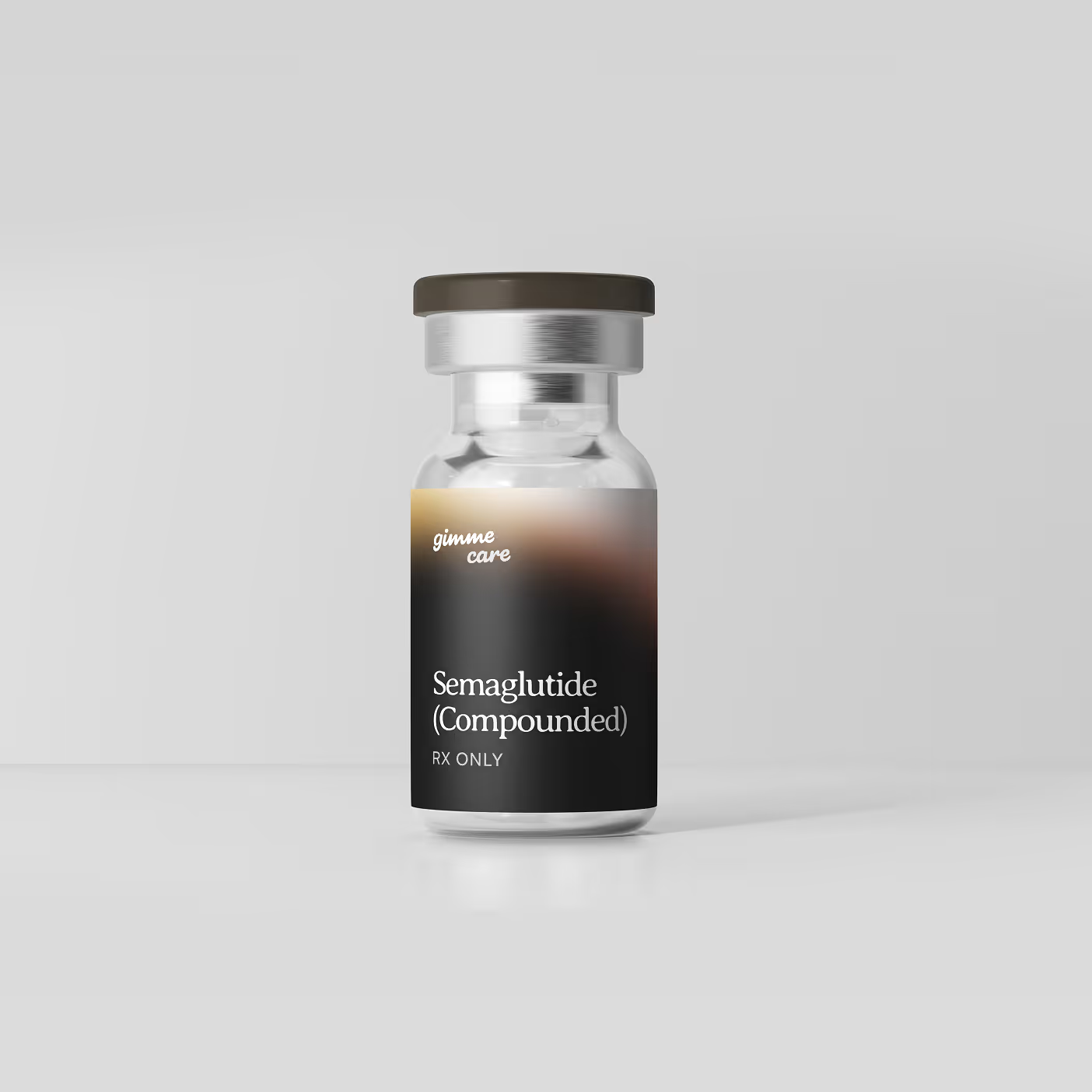
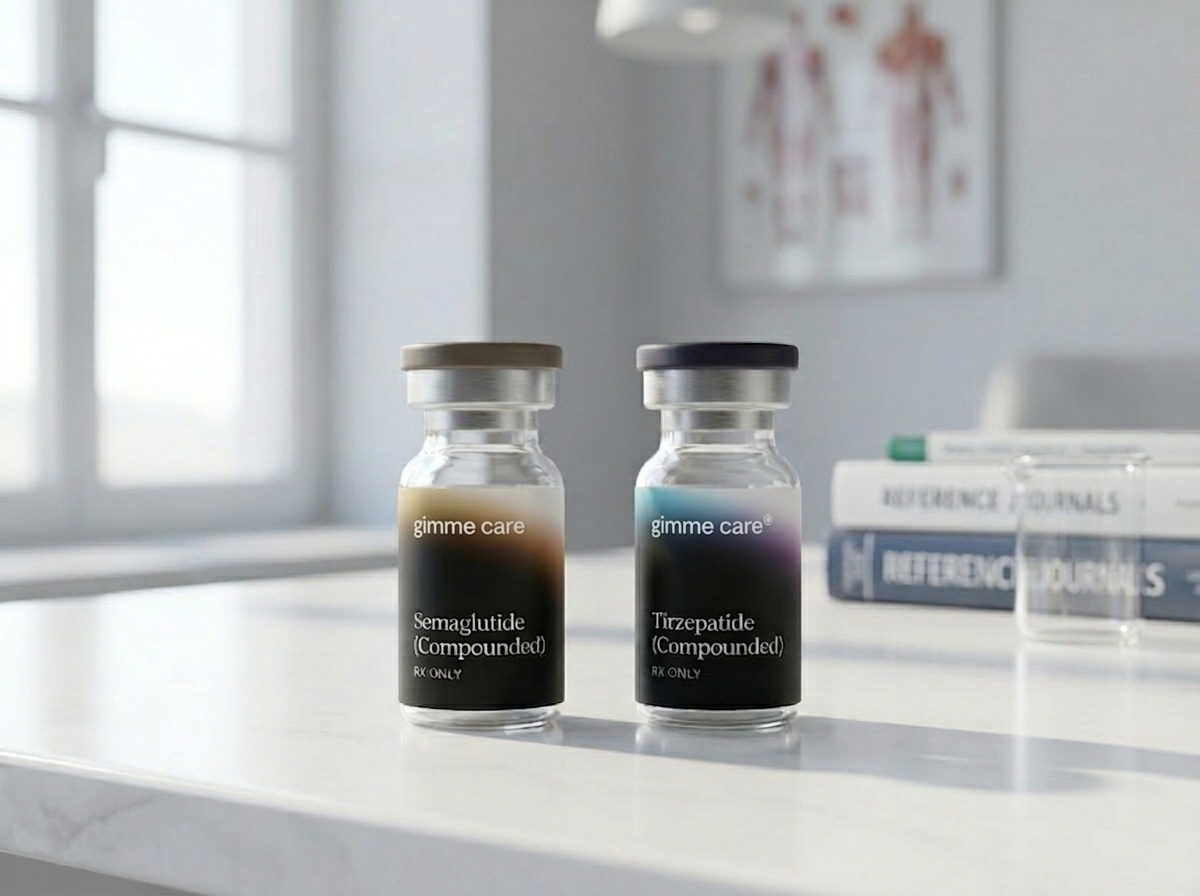
Depending on the pharmacy and treatment program, semaglutide may be dispensed in a single-dose or multi-dose vial for injectable use.
The vial contains liquid medication that is drawn into a syringe before each injection. In many treatment programs, injections are administered once per week according to a dosing schedule determined by a licensed healthcare provider.
The amount of medication contained in the vial and the dose prescribed each week will influence how long the vial lasts before it needs to be replaced.
Because injectable medications must remain stable and uncontaminated, proper storage and handling are important to preserve the medication’s quality.
How Long Does a Vial of Semaglutide Last?
The length of time a semaglutide vial lasts varies depending on three main factors:
- the weekly dosage schedule prescribed by a healthcare provider
- the total amount of medication contained in the vial
- the storage conditions of the medication
When used according to a physician-directed dosing schedule, a semaglutide vial may last several weeks.
Lower starting doses typically require smaller injection volumes, meaning the vial may last longer. As treatment progresses and doses are adjusted, the same vial may be used more quickly.
Vial size also matters. Larger vials contain more medication and may last longer depending on the prescribed dosage schedule.
Storage conditions also influence how long the medication remains usable. Refrigeration helps preserve medication stability, while prolonged exposure to heat or improper storage may reduce the medication’s effectiveness.
How Long Semaglutide Lasts in the Fridge
Semaglutide needs to be stored in the refrigerator to maintain efficacy and safety.
When refrigerated (36°F - 46°F), semaglutide typically lasts until its pharmacy-assigned beyond-use date, often around 28 to 60 days after compounding, depending on the formulation. Always follow the exact date provided on your vial. Refrigeration slows chemical changes that can reduce potency over time.
When stored properly in a refrigerator and handled according to pharmacy guidance, semaglutide can remain stable until the labeled expiration date or beyond-use date provided by the pharmacy. Avoid leaving the vial out for extended periods, especially in warm environments.
How Long Semaglutide Lasts After Opening
After opening, a semaglutide vial is typically used within its pharmacy-assigned beyond-use date, often around 28 days, though some formulations may allow up to 60 days. Always follow the exact date and handling instructions provided with your medication.
The beyond-use date indicates how long a compounded medication should be used after it has been prepared or opened. Once a semaglutide vial has been opened, its usable life may depend on pharmacy guidance and the beyond-use date (BUD) assigned to the medication.
Several factors influence this timeline, including how the medication was compounded, the sterility of the vial, how the medication is stored, and how the vial is handled during injections.
If a medication appears cloudy, discolored, or contains visible particles, it should not be used.
Vial Duration Based on Weekly Dosage
One of the biggest factors that determines how long a semaglutide vial lasts is the weekly dose prescribed by a healthcare provider.
Treatment plans are individualized. Healthcare providers adjust dosing schedules based on a patient’s response to treatment and overall health goals.
Lower starting doses require smaller injection volumes, meaning the vial may last longer. As treatment progresses and doses are increased, the medication may be used more quickly.
What Happens If Semaglutide Is Left Out of the Fridge
Excess heat can accelerate chemical breakdown within medications, which may reduce their effectiveness.
Patients should avoid leaving medication in hot environments such as cars, direct sunlight, or areas with fluctuating temperatures.
If there is uncertainty about whether the medication has been stored correctly, patients should consult their physician continuing to use it.
Storage Temperature Guidelines
The temperature conditions under which semaglutide is stored can affect how long the medication remains stable.
How to Store Semaglutide Safely
On top of refrigeration, proper storage can help protect the medication from contamination and temperature-related degradation.
Patients may consider the following storage practices:
- Avoid freezing the medication
- Protect the vial from excessive heat or direct sunlight
- Store medication in its original packaging when possible
- Follow all pharmacy and healthcare provider instructions
These practices can help maintain the stability and safety of injectable medications.
When to Replace or Dispose of a Vial
A semaglutide vial should be replaced or disposed of if it reaches its expiration date or beyond-use date.
Patients should also avoid using medication if:
- the liquid appears discolored
- the solution contains particles
- the vial appears damaged
Medications that are expired or compromised may not perform as expected and should not be used.
How Physician-Guided Programs Help Manage Treatment
Because dosing schedules and treatment plans vary between individuals, semaglutide is typically prescribed and monitored by licensed healthcare providers.
Physician-guided programs allow providers to evaluate patient progress, adjust dosage schedules, and ensure medications are used safely.
Providers may also help patients understand proper medication storage, injection practices, and how to manage their treatment plan over time.
Regular communication with healthcare providers helps ensure medications are used appropriately and safely.
Start your weight loss journey today